Different types of handwork and techniques and fabric
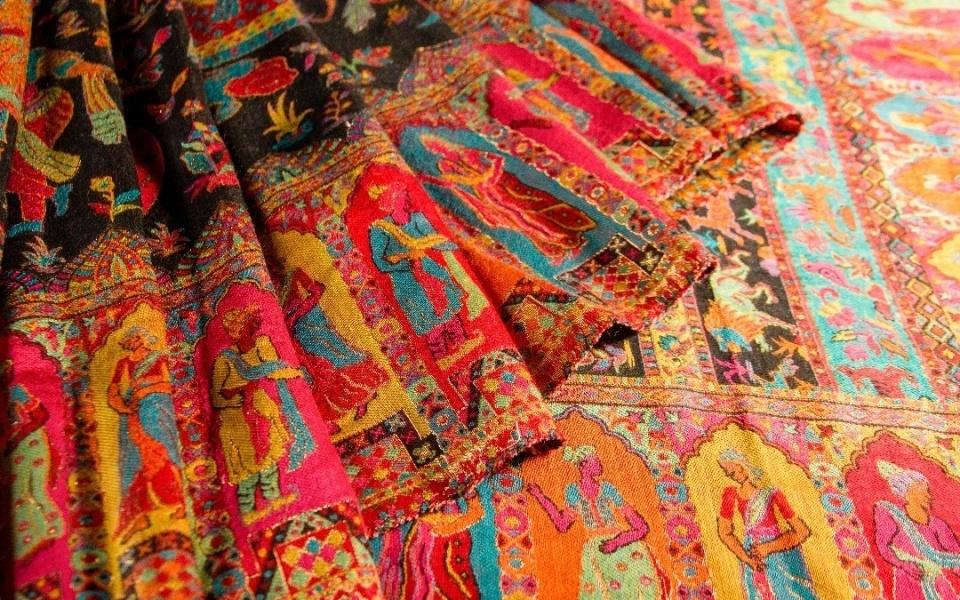
Embroidery – Decorative stitching done by hand using colorful threads, beads, or sequins (e.g., Indian Zardozi, Chikankari, and French Knot embroidery).
Hand Weaving – Fabrics created on traditional looms, such as Banarasi silk, Kanjeevaram silk, and Ikat.
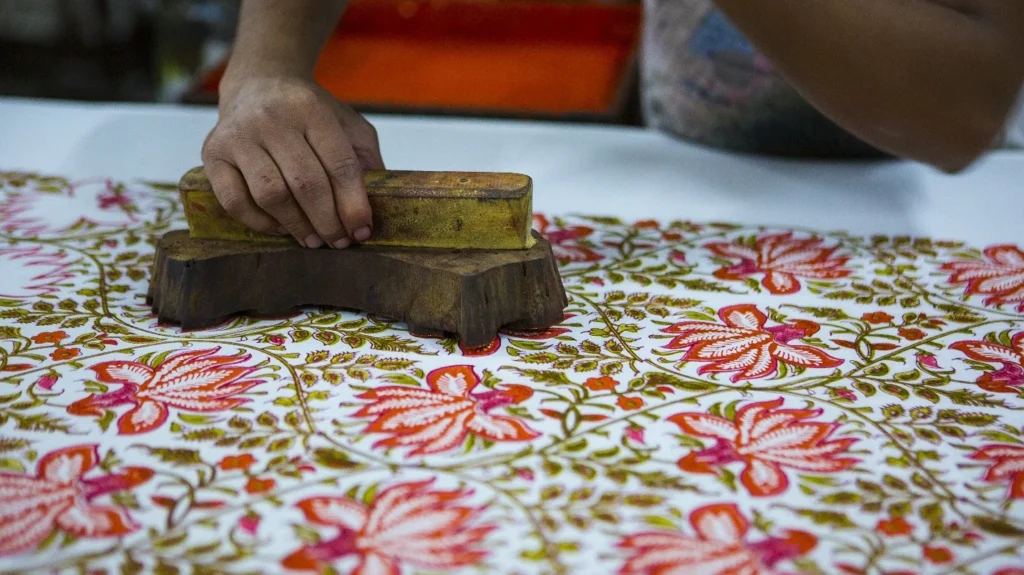
Block Printing – Hand-stamped patterns using carved wooden blocks and natural dyes (e.g., Bagru and Ajrakh prints).
Tie-Dye & Batik – Resist-dyeing techniques that create vibrant patterns, like Bandhani from India and Indonesian Batik.
Appliqué & Patchwork – Fabric pieces sewn onto a base fabric to form artistic designs, seen in quilts and ethnic garments.
Hand Quilting – Layers of fabric sewn together using delicate stitches, popular in folk textiles.
Crochet & Knitting – Handmade fabric using yarns and hooks/needles to create laces and textured textiles.
Why Handwork Fabrics Are Special:
Unique & Artistic – Each piece is one-of-a-kind due to human craftsmanship.
Eco-friendly – Often use natural materials and dyes, promoting sustainability.
Cultural Heritage – Many handwork fabrics preserve age-old traditions and storytelling through motifs.
Based on Fiber Type
A. Natural Fabrics (Derived from plants, animals, or minerals)
Cotton – Soft, breathable, and absorbent; used in casual wear, bed linens, and towels.
Linen – Made from flax fibers; lightweight, strong, and great for hot climates.
Silk – Luxurious, smooth, and glossy fabric from silkworms; used in high-end fashion and upholstery.
Wool – Warm, insulating, and soft fabric from sheep, alpacas, or goats (e.g., Cashmere, Merino).
Hemp – Durable and eco-friendly; used for clothing, ropes, and eco-textiles.
B. Synthetic Fabrics (Man-made fibers derived from petroleum or chemicals)
Polyester – Strong, wrinkle-resistant, and used in sportswear and upholstery.
Nylon – Lightweight, elastic, and water-resistant; used in stockings, swimwear, and outerwear.
Acrylic – Warm and soft, often used as a wool substitute in sweaters and blankets.
Spandex (Lycra/Elastane) – Highly stretchable fabric used in activewear and leggings.
Rayon (Viscose) – Semi-synthetic with a silk-like feel, used in dresses and linings.
2. Importance of Textiles
Fashion & Apparel – Used for clothing, shoes, and accessories.
Home Furnishings – Upholstery, curtains, carpets, and bedding.
Industrial Uses – Automotive textiles, medical textiles, protective gear, and geotextiles.
Traditional & Cultural Significance – Many textiles hold cultural heritage (e.g., Ikat, Batik, Kente cloth).